
Nicola Wren on writing from life
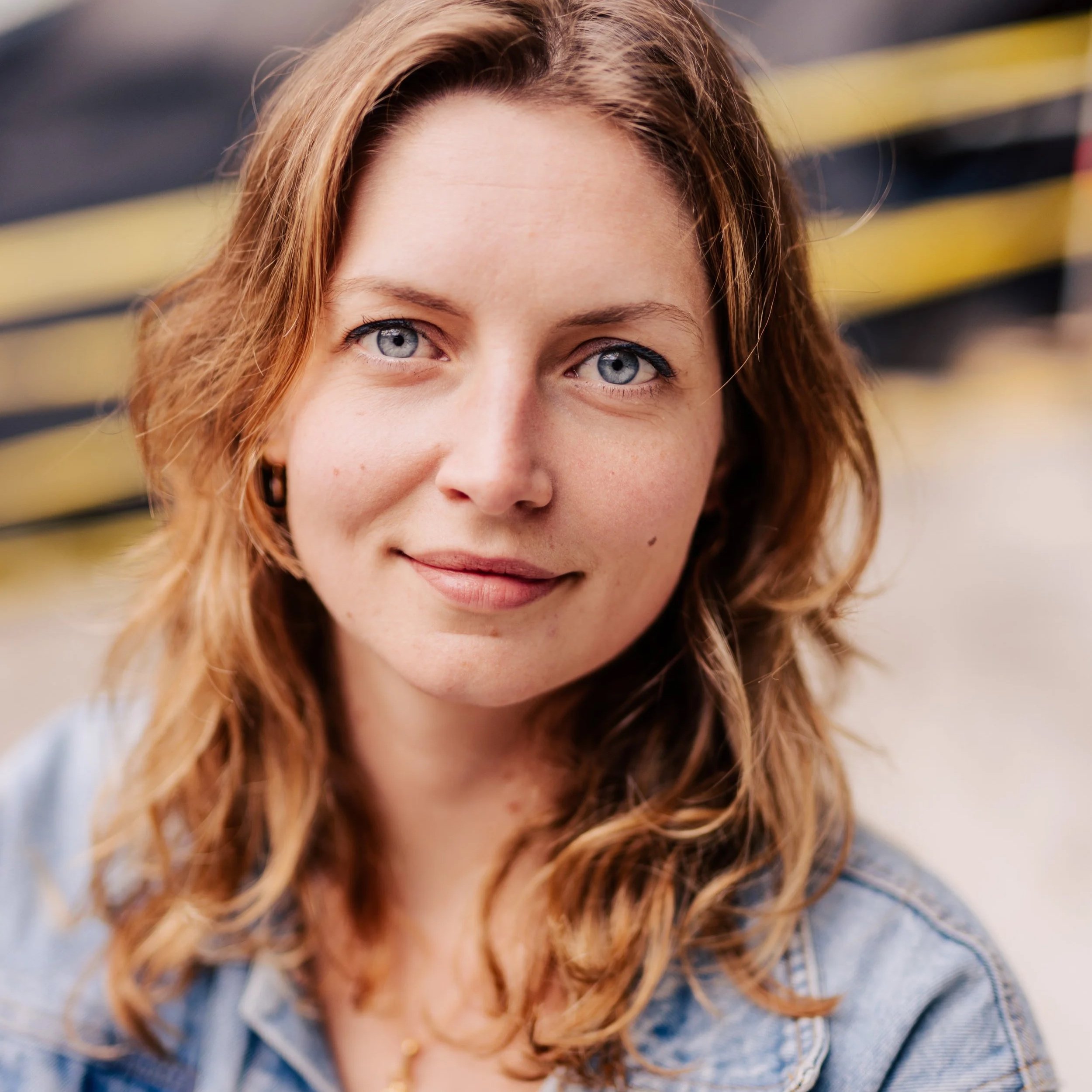
As a playwright and author, Nicola Wren’s work has often drawn from her own life to bring weight to her fiction. As part of the Write Up creative workshops strand at this year’s Margate Bookie, she will lead a hands-on session to teaching how to identify the heart of your story and take the first steps in shaping your work.
In the workshop, you can expect to write a lot. There’ll be plenty of quick-fire, timed exercises that generate memories, images, and stories, which you’ll then expand on. The aim is to share writing tools that Nicola uses every day so participants can go home and know what to do when they feel stuck.
Tickets for Nicola’s Write Your Life workshop on 18 October are available now. Ahead of the session, she tells us more about her work and what to expect from the session.
How do you draw from your life when you write?
I’m not sure I’d know how to write without drawing from my life in some way. That’s not to say I have an especially interesting life, or that everything I write is a true story, but all of my writing at least begins with a personal preoccupation, an image, experience or theme that recurs in my journals, asking to be explored.
How do you identify the heart of your story?
By writing a lot and writing badly, and writing around the subject, paying attention to what keeps coming up and being open to where things might lead. Many times I’ve begun a project convinced the heart of the story is one thing, only to find that it becomes something else entirely. It’s taken a bit of practice to trust the process and stay open minded, but also to know when to bring a written project to completion.
How do you balance writing your novel and writing for work?
This is a challenge I recently opted out of. Instead, I’ve found a ‘day job’ that uses all the practical, logistic, excel-loving parts of my personality, which frees me to write solely for creative exploration and expression. I’m also a freelance creative coach, and workshop facilitator, which I love and helps me keep the passion alive, but I’m conscious not to talk about writing more than I actually write – that’s the tricky balance I’m always trying to strike.
Can you tell us a bit about your upcoming novel?
I turned thirty, made the decision to swap London for the seaside, and then found a tumour on my pancreas. In a moment of levity, I named it Josephine. But when Josephine had to be cut out, I found I didn't want her to go. The book I’m writing is that story, and what followed — an unlikely friendship with a tumour, conversations with the sea, attempts to make a home in a faltering body and a fading seaside town. Two tumultuous, joyful years spent learning to let love fill the space where a tumour once grew.
I'm on the third draft (and last one I'll do before finding an editor), currently changing the entire thing from present tense to past tense, which is an incredibly interesting and symbolic (if painstaking) process.
How did you feel when the Guardian called you a talent to watch?
I think I was relieved. It was the second solo play I’d written and performed in Edinburgh, the first that was properly reviewed. It was a very personal, if fictional, story and a real step out of the comfort zone for me creatively. At the time, I needed a little nudge of encouragement to believe in my writing but, in truth, that came more from seeing the audience’s reaction each day. I’ve since had the full spectrum of good and bad reviews about my work, so I don’t place too much importance on them now – hopefully it’s just helpful to people who are thinking of investing their money in a workshop with me, because they know I’m not messing around.
What can people expect from your workshop?
To write a lot. By hand, preferably. I believe most people go to writing workshops for permission to write rather than to learn how to do it, and certainly not to hear me wittering on about my process. So I do a lot of quick fire, timed exercises that generate memories, images and stories, which we then expand on. The aim is to share tools that I use every day for generating and editing material so that participants can go home and know what to do when they feel stuck. I offer longer courses online that go into more depth, but I’ll try to cram as much as possible into the hour!
Join Nicola for her Write Your Life workshop on 18 October. Tickets available now.